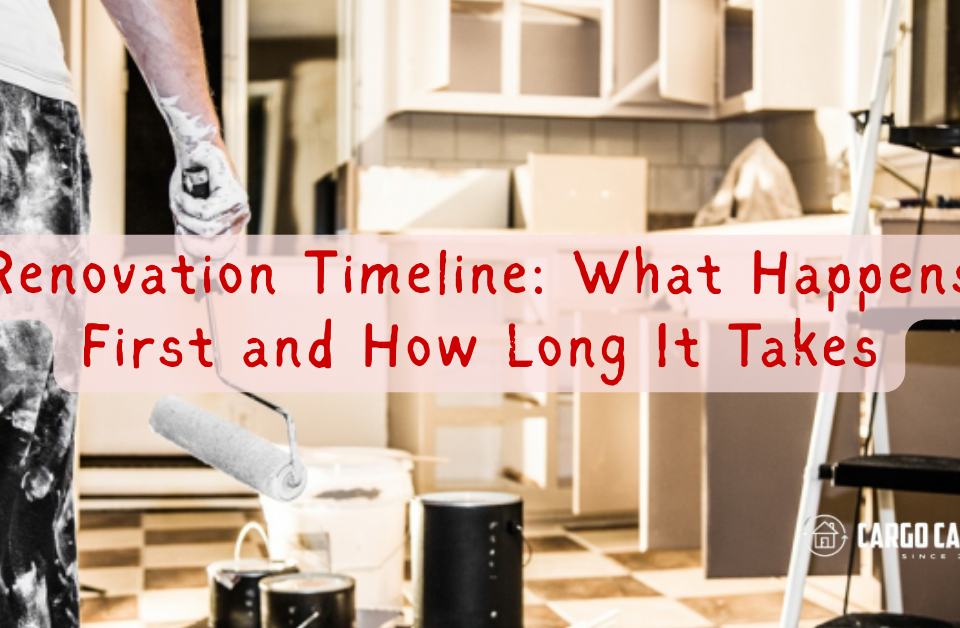

Renovation Timeline: What Happens First and How Long It Takes
December 23, 2025
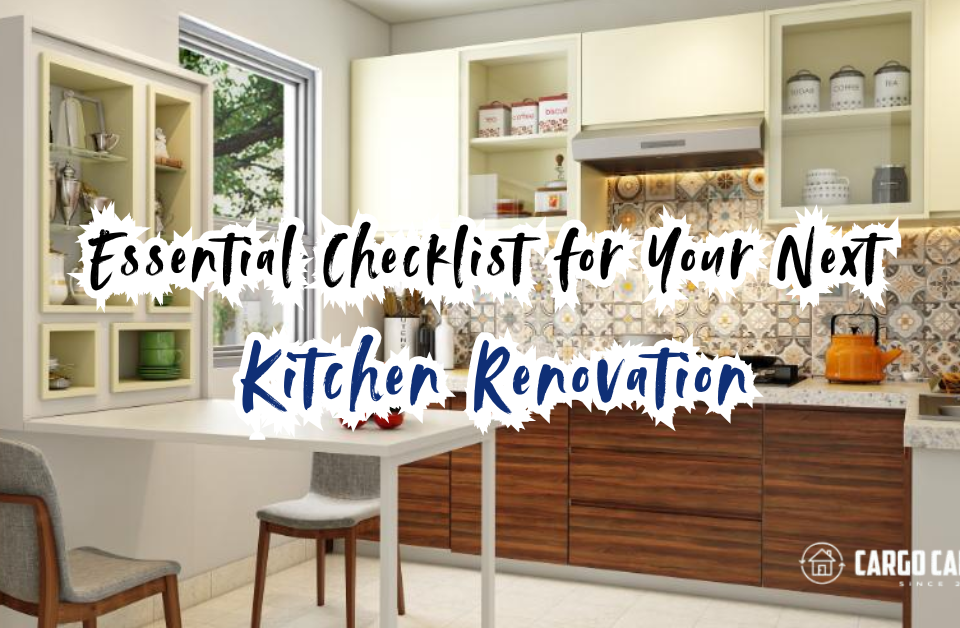
Essential Checklist for Your Next Kitchen Renovation
December 28, 2025
Renovating your home is an exciting opportunity to improve comfort, functionality, and style. But when you’re working with a limited budget, it becomes important to prioritise wisely. Not all renovation tasks carry the same value, and choosing what to upgrade first can make a big difference to both your home and your finances. With a strategic approach, you can achieve meaningful improvements without feeling overwhelmed or overspending. Here’s how you can prioritize renovation projects while keeping your budget under control.
Start by Identifying What Matters Most
Before making any renovation decisions, think about what you want to achieve. Are you renovating to improve daily comfort, boost resale value, or refresh outdated rooms? Once you understand your main objective, you can identify which areas of your home deserve attention first.
For many homeowners, kitchens and bathrooms usually top the list because they have the biggest impact on both lifestyle and property value.
Evaluate the Condition of Each Space
Walk through each room and make a list of what needs attention. Focus on issues like worn-out cabinets, poor layout, plumbing problems, or old fixtures. Ranking items based on urgency and importance helps you see what should be tackled immediately and what can wait.
For example, fixing water damage or replacing a broken vanity should take priority over changing paint colours or styling décor.
Set a Realistic Budget Range
Before starting any kitchen renovation Mulgrave, define a clear budget. Decide how much you are comfortable spending and allow a small buffer for unexpected costs. Having a realistic figure prevents overspending and helps you make smarter decisions when comparing materials, designs, and labour quotes.
Focus on High-Impact, High-Value Projects
Some renovation upgrades deliver more value than others. If you want to see noticeable results without stretching your budget, focus on renovation projects that offer a strong return.
In kitchens, updating cabinets, benchtops, or layout can dramatically improve the space.
In bathrooms, upgrading the vanity, tapware, or lighting can make the room feel modern and functional without a full bathroom renovations Mulgrave.
These high-impact changes improve everyday use and enhance property value.
Break Projects into Stages
You don’t have to complete a renovation all at once. Breaking your renovation project into smaller stages helps protect your budget while still keeping progress moving.
For example:
- Stage 1: Refresh cabinetry
- Stage 2: Upgrade tapware and fittings
- Stage 3: Add new lighting or flooring
By spreading the project out, you reduce financial pressure while steadily improving your home.
Know When to Save and When to Spend
A smart renovation budget balances cost-saving choices with key investments.
Save on items like décor, accessories, or non-structural updates.
Invest in long-lasting items such as cabinetry, vanities, benchtops, and quality tapware.
Spending wisely on essentials ensures your renovation lasts longer and saves money long-term.
Get Quotes and Compare Options
Before committing to any renovation projects, gather multiple quotes. This gives you a better understanding of cost ranges and helps you choose the most reliable and cost-effective option. Comparing quotes also helps you find small savings that add up—especially when renovating kitchens or bathrooms.
FAQs
How do I know which renovation project should come first?
Start with essential repairs or areas that affect daily use, then prioritise high-impact upgrades that improve functionality and value.
Can I renovate my home in stages to save money?
Yes, staging your renovation is one of the best ways to manage costs while still making steady progress.
What should I invest in during a renovation?
Focus on long-lasting elements like cabinets, vanities, tapware, and quality materials that deliver both durability and value.